
 +86 187 3810 5965
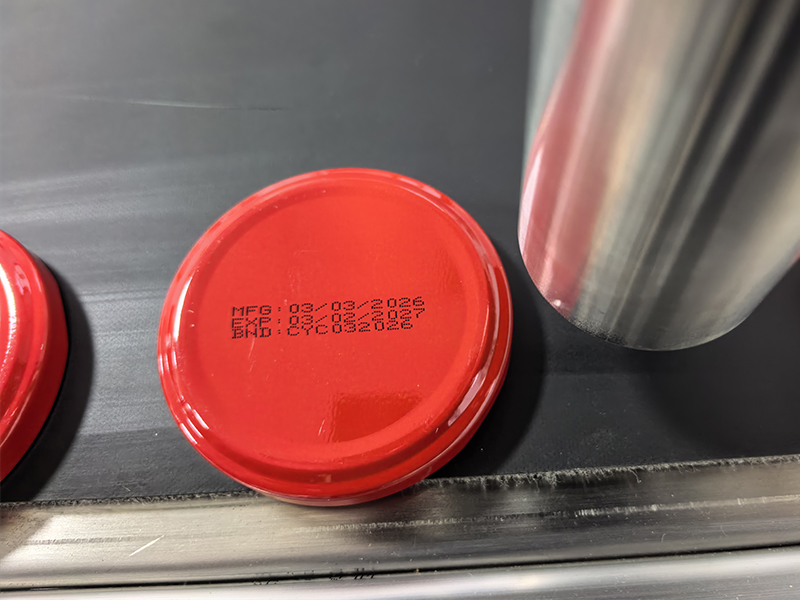
On a fast-moving packaging line, a printer is positioned next to the conveyor belt. You can hardly see how the machine operates. Yet, as each product passes the printhead, a production date, expiration date, batch number, QR code, or other product information appears in an instant.
A continuous inkjet printer is more than a printhead and an ink supply system. How do its core components work together to produce stable, readable codes on moving products?
And why do these components matter for product traceability?
In this article, we'll explore how the key components of a CIJ printer work together to support consistent coding and reliable production.
The ink supply system is the foundation of consistent CIJ printing. It needs to control ink delivery, solvent addition, circulation, and ink recovery throughout continuous operation.
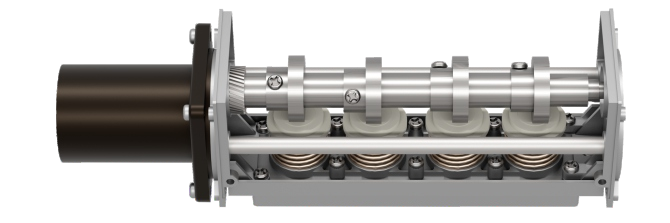
A four-pump integrated diaphragm design combines the ink pump, solvent pump, recovery pump, and circulation pump in one system. Unlike traditional gear-pump designs, it does not require compressed air and uses a low-wear pumping principle.
This design helps:
The optimized ink-path design can reduce energy consumption to approximately 10–20% of traditional compressed-air systems and 60–70% of gear-pump systems, helping reduce long-term operating costs.
Ink viscosity can change with solvent evaporation, temperature, and operating time. The automatic viscosity control system continuously monitors ink condition and adjusts it when necessary.
Stable pressure + Stable viscosity → Stable droplets → Consistent codes
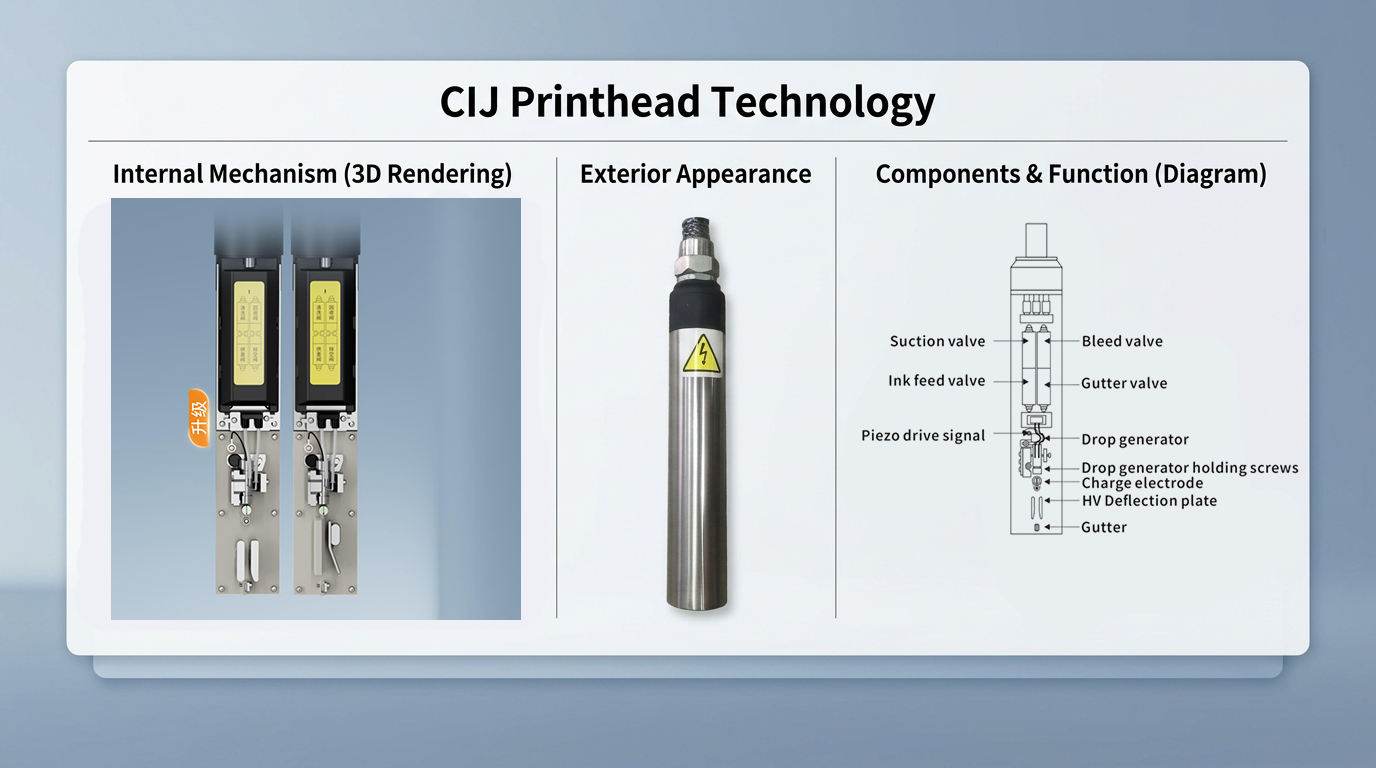
Once the ink is properly conditioned, the printhead converts the continuous ink stream into controlled droplets.
The nozzle forms a continuous ink stream, while the drop generator breaks it into individual droplets. The charging electrode selectively charges droplets according to the print pattern, and the deflection system directs them toward the required position on the substrate.
This allows continuous inkjet printers to produce:
The key is consistency. If ink pressure or viscosity changes, droplet formation can become unstable and affect the final code.
Unused ink droplets are collected through the recovery system and returned to the ink circuit. At the same time, the nozzle and recovery path must remain clean.
Automatic cleaning → Reduced clogging → Less manual maintenance → More stable operation
A code must not only be readable—it must appear on the right product at the right position.
The control system coordinates printing with production-line signals such as photocells and synchronizers. It can also support functions such as print-distance synchronization, variable counters, cyclic printing, and online detection.
A fully digital self-test system displays important operating parameters and provides fault information through the interface and indicator signals.
Operators can also prepare new print content while the machine is running and switch messages when production changes.
This makes the CIJ printer easier to integrate into automated production lines.
Industrial coding equipment may face dust, moisture, frequent cleaning, vibration, and long operating hours. In these environments, mechanical protection is just as important as printing performance.
A wear-resistant stainless-steel chassis with IP56 protection, together with positive-pressure air around the nozzle, helps protect critical areas from dust and water intrusion.
Multiple controller output ports also allow the printer to connect with customer-side production equipment when additional control or automation is required.
Not every application has the same printing requirements.
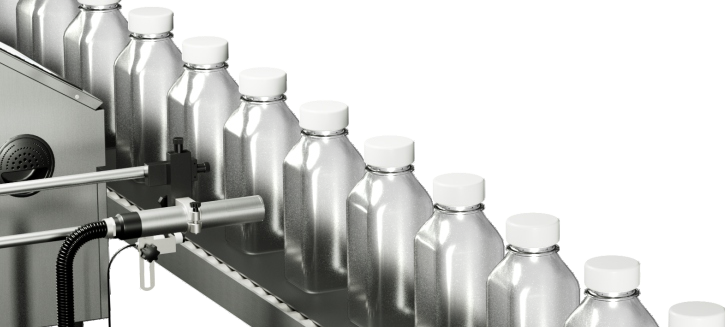
The most important CIJ components depend on the product material, production speed, printing environment, and coding requirements.
Application | Main Printing Challenge | What to Pay Attention To |
Food & Beverage | High speed, moisture, condensation | Ink stability + printhead |
Plastic Packaging | Smooth / non-porous surfaces | Ink + nozzle + printhead |
Wire & Cable | Continuous movement | Encoder + print position |
Pharmaceutical Packaging | Clear and consistent coding | Ink control + printhead + controller |
For example, a high-speed beverage line may place greater emphasis on stable ink circulation and reliable printhead operation, while wire and cable applications may require greater attention to line synchronization and print positioning.
The right CIJ configuration should therefore be selected according to the actual production environment—not simply based on printer specifications.
A reliable CIJ printer is more than a printhead or ink supply system. Its performance depends on how the ink system, viscosity control, printhead, cleaning and recovery system, sensors, and controller work together. From maintaining stable ink conditions to preventing nozzle clogging and synchronizing with the production line, every component contributes to consistent coding and reliable production.
Read more → [Food & Beverage Coding Solutions]