
 +86 187 3810 5965
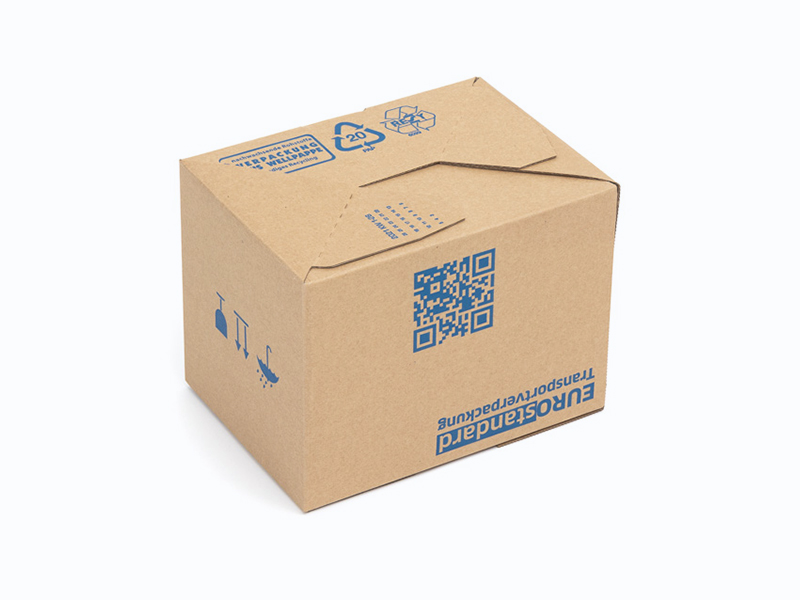
In modern supply chains, cardboard boxes are no longer just protective “shells” for goods; they are gradually evolving into sophisticated data carriers. As consumers demand transparency and logistics become more automated, traditional, blurry carton boxes coding is being replaced by a revolution in high-resolution inkjet printing.
This shift has led to the rapid adoption of industrial carton box coding solutions for packaging lines, designed to deliver consistent, high-resolution printing directly onto corrugated surfaces.
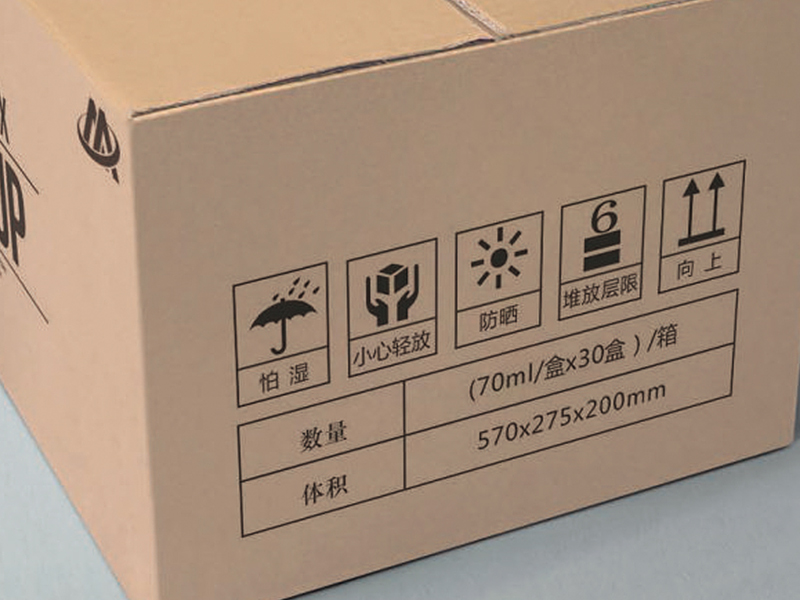
In the past, due to the porosity and rough surface of packaging materials (such as corrugated cardboard), printing often resulted in ink bleeding or blurry lines. However, in today's digital logistics environment, this is no longer a problem that can be solved by simply "making do".
High-resolution inkjet printing is favored because it addresses businesses’ pain points in several dimensions:
By printing clear barcodes or QR codes, businesses can achieve “one code per box”.
On high-speed conveyor belts, high-definition shipping labels can be instantly captured by scanners, significantly reducing the risk of returns due to misreading.
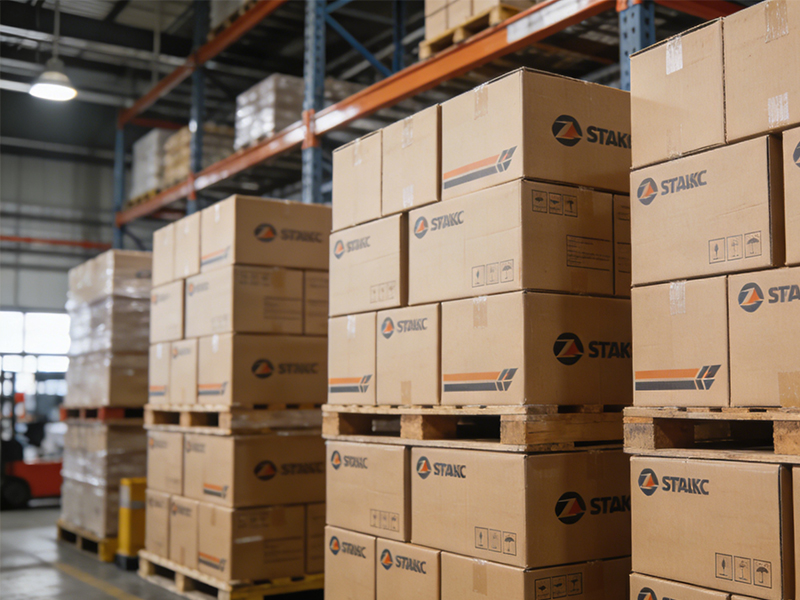
During transportation within the supply chain, brand logos on carton boxes often increase brand exposure. Carton box coding not only increases the resolution of trademarks and logos, but also enhances their texture and corporate image.

High-resolution inkjet coders are precision industrial marking systems engineered on the Drop-on-Demand (DOD) principle. This category is primarily defined by two core technology: Thermal inkjet (TIJ) and Piezoelectric inkjet (PIJ).
So how do you choose the right high resolution inkjet printing on carton boxes to meet your industrial inkjet printing needs? Generally, you need to consider the following aspects:
[Explore our TIJ vs. PIJ Technical Comparisonison] to determine which system best fits your specific production line.
Achieving high-resolution printing on carton boxes has shifted from a "bonus feature" to a core competitive advantage. It doesn't just improve logistics efficiency; it gives cold, brown boxes a sense of intelligence and brand warmth.
If you are currently evaluating your packaging line or wondering which ink technology best suits your material,feel free to reach out.