
 +86 187 3810 5965
Have you ever encountered this problem?
Even when using state-of-the-art coding and marking equipment, the barcodes and characters end up smudged or blurred by the time they reach the inspection stage.
The is because ink simply hasn’t dried yet.
This is precisely why UV piezoelectric inkjet printer has emerged as the ultimate, highly efficient solution to the drying challenge—enabling instant drying upon printing and ensuring zero ink smudging.
A UV coding machine is a piezoelectric printer that uses UV-curable ink; this ink requires exposure to ultraviolet light to cure and dry, and the system offers a resolution exceeding 200 DPI.
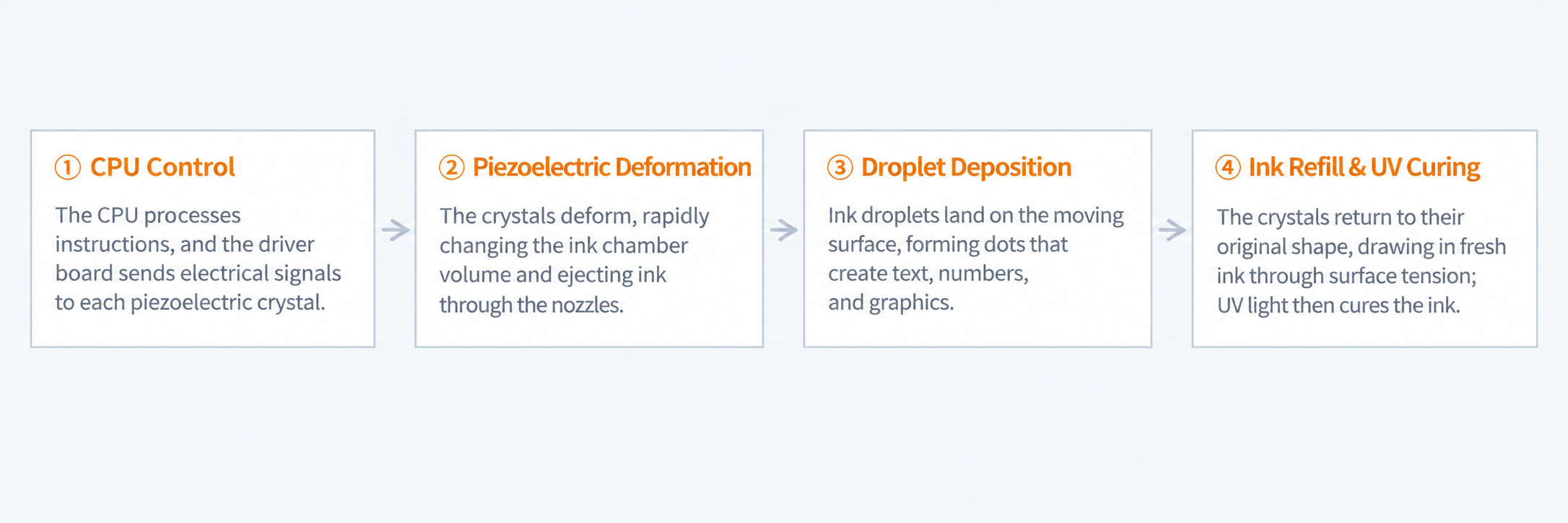
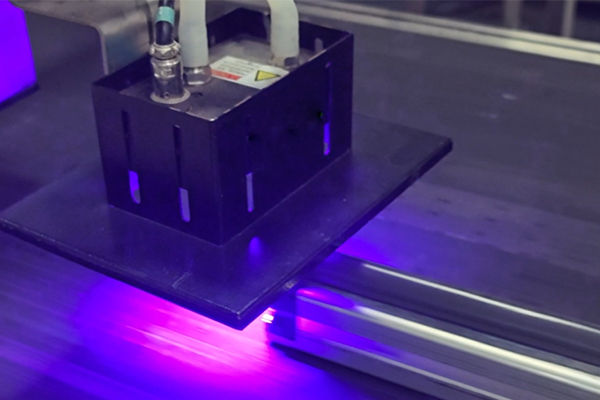
The ink cures almost immediately after printing, allowing products to move directly to the next workstation without any intermediate pause. This ensures a more seamless operation across the entire production line.
Once cured, the ink layer is dry to the touch, making it highly resistant to smearing caused by friction during transport or pressure during stacking. This significantly reduces the need for rework and the incidence of scanning failures.
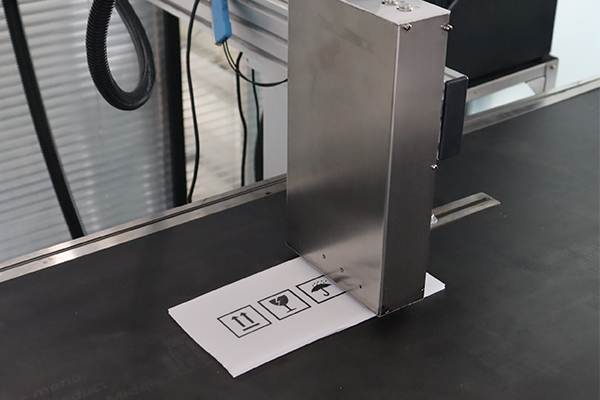
Information such as batch numbers, production dates, barcodes, and QR codes can be printed directly inline. Since drying is no longer a concern, even small-sized text and high-density QR codes remain sharp and easily readable.
Eliminating the need for dedicated drying zones and extended conveyor sections allows for more compact production-line layouts—a major advantage for facilities with limited floor space.
Before you make a purchasing decision, we’d like to suggest you think about these 3 questions:
Combining piezoelectric inkjet printing with UV curing is more than choosing the right printer—it requires the right technical solution. From printhead configuration and UV curing parameters to ink compatibility, substrate adhesion, and production line speed, every detail matters.
NAXJET’s technical team works closely with manufacturers to evaluate their specific applications, optimize system configurations, and help ensure reliable printing performance in real production environments.