
 +86 187 3810 5965
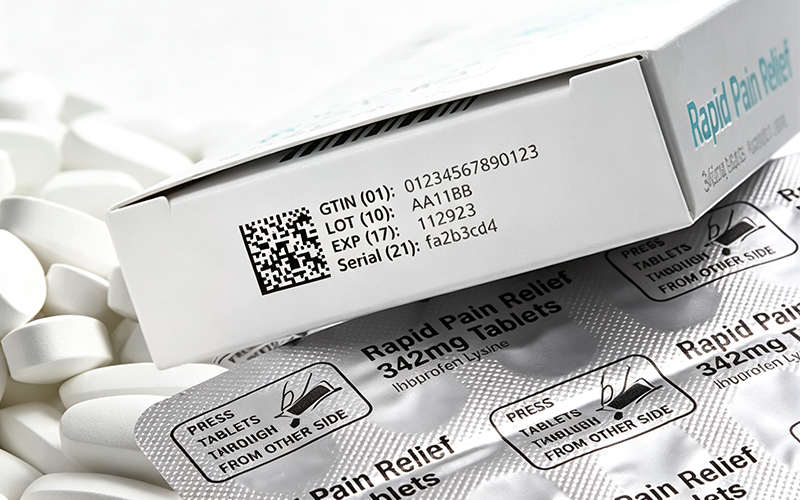
In pharmaceutical packaging, a single misprinted digit or a blurry 2D code isn’t just a minor quality flaw — it’s a matter of life, safety, and compliance. Every blister sheet, vial, and carton carrying medicine requires accurate coding so patients, pharmacists, and regulatory bodies can verify product safety and batch traceability. High-resolution printing isn't just about sharp text; it is the fundamental bridge that powers modern medical serialization, variable data tracking, and supply chain integrity.
When you walk through a modern pharmaceutical facility, you quickly realize that coding machines operate under immense scrutiny. The strict regulatory ecosystem leaves zero room for error.
Achieving perfectly legible codes on a pharmaceutical lines sounds simple until you face real-world packaging constraints. Based on our years of experience working with pharmaceutical manufacturers, we’ve identified several common challenges they face.
Medical packages are often tiny. Squeezing high-density DataMatrix codes and multiple lines of text onto unit-dose blister packs or small ampoule labels requires extremely fine printing resolution.
A barcode or DataMatrix must achieve an Grade A or B rating under ISO/IEC standards. If ink drops bleed or splatter even slightly, automated vision scanners will reject the carton, leading to costly line stops.
Packaging substrates vary widely—from glossy coated cardboard boxes and non-absorbent aluminum foil blister packs to polyethylene bottles and flexible film bags. Each material has completely different requirements for ink drying speed and surface tension.
When packaging lines are operating at speeds of hundreds of boxes per minute, the printhead nozzles must maintain a highly consistent jetting speed and landing accuracy, with absolutely no clogging or tailing.
When selecting coding technology, high-resolution equipment stands out for several operational reasons:
Utilizing a modern high resolution inkjet printer delivers optical resolution up to 600 DPI. Sharp edge definition ensures maximum readability for automated vision verification systems.
PIJ technology effortlessly handles dynamic, real-time variable data, changing serial numbers on the fly at maximum conveyor speeds.
Because the printhead never touches the package surface, sensitive sterile films and fragile foil blisters remain completely protected from mechanical stress.
Compact, modular printheads can be easily retrofitted into cartoning machines, blister packaging lines, or top-and-bottom labelers.
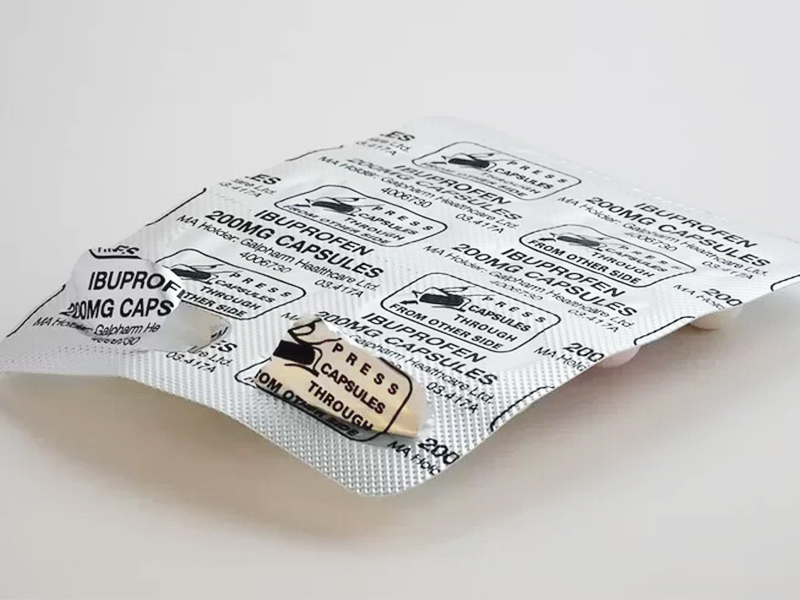
Challenges: Poor ink adhesion on reflective aluminum foil, causing code loss during high-speed(300 blister/min) packaging.
High-resolution coding for blister packs can be applied directly onto the aluminum foil lidding, enabling easy serialization with micro-characters without compromising the sterile barrier or causing contamination. Using environmentally friendly UV ink, it is resistant to scratching.
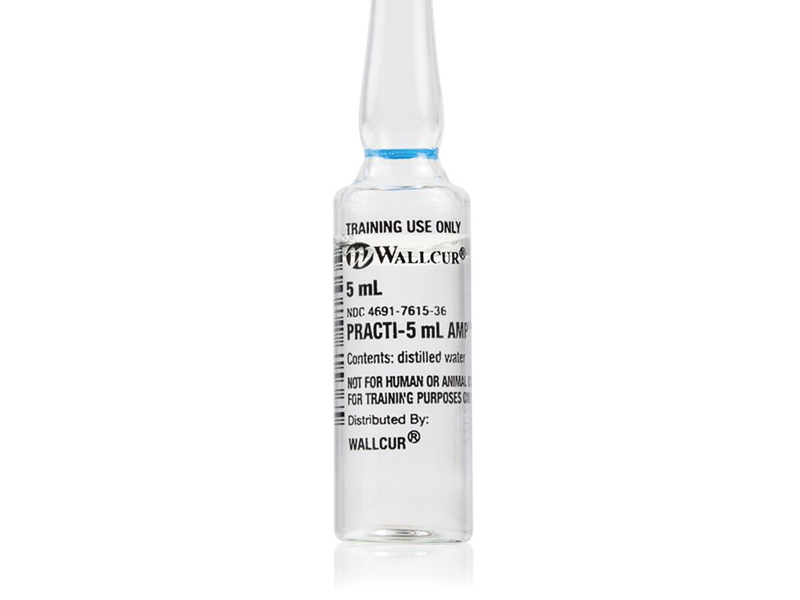
Challenges: Cylindrical surface, Glass materials.
Glass ampoule is characterized with small size, curved surfaces, and fragile materials. Non-contact inkjet printing allows batch numbers and traceability codes to be printed directly onto the body without risk of breakage.
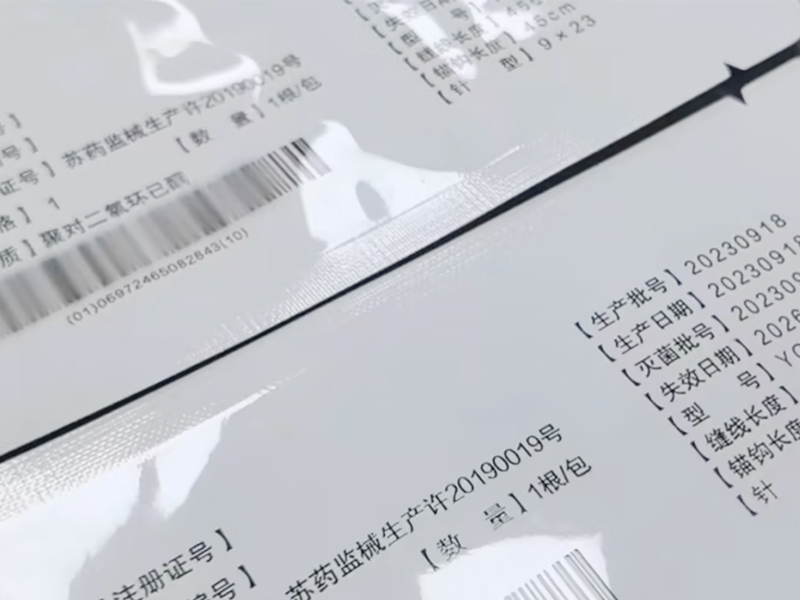
Challenges: Smooth aluminum film, poor adhesion; wear-resistant QR codes required
Used for high-speed inkjet printing on flexible pharmaceutical bags and granular bags. The ink has strong adhesion and high flexibility; even with frequent folding and compression during packaging and transportation, barcodes and serial numbers will not peel off or become blurred. NAXJET high-resolution UV inkjet printers support variable data high-speed printing systems with a maximum speed of 300 m/min.
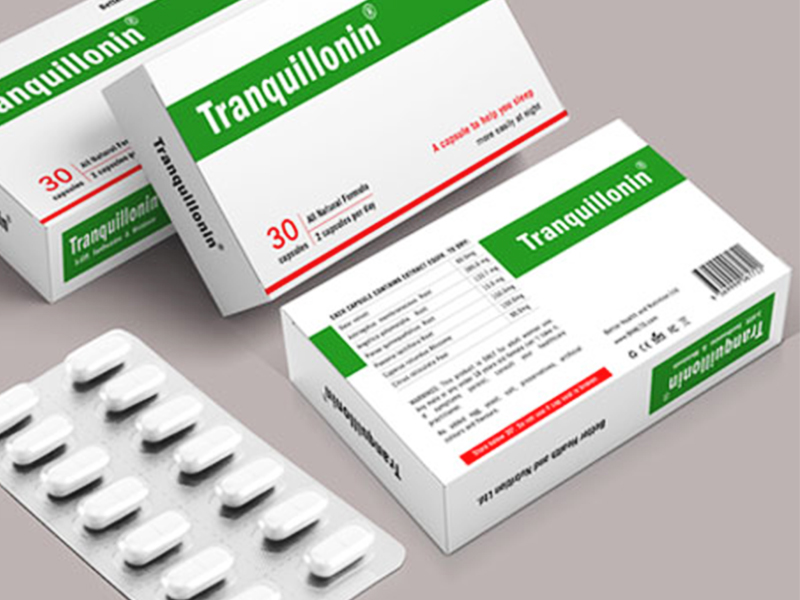
Challenges: Smooth coated surface, clear QR code and Data Matrix required, FDA-compliant ink required.
The smooth, highly reflective surface of varnished and laminated pharmaceutical cartons is ideal. The PIJ inkjet printer adheres strongly to the laminated surface, printing high-definition GS1 standard DataMatrix codes. High-contrast ink marks ensure zero misreading when the barcode scanner is facing highly reflective surfaces.
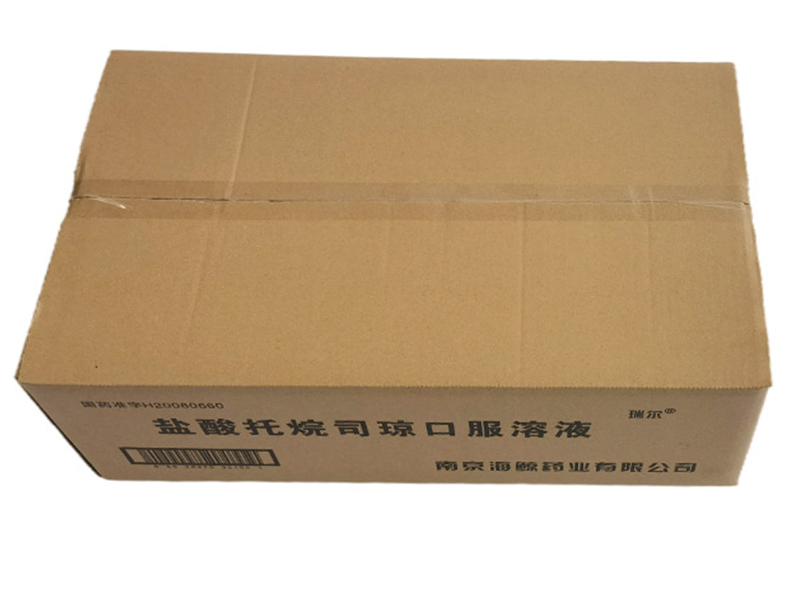
Challenges: Rough, porous surface; Uneven ink absorption
Designed for outer cartons and large logistics cases, NAXJET’s high-definition piezo technology meets client’s printing needs for multi-line and large-format printing. With a max print height of 108mm(Single print head) it produces crisp, high-contrast codes, logos, and graphics on porous packaging materials.
Pharmaceutical coding is a core component for ensuring medication safety and global traceability. From fragile ampoules and highly reflective laminated medicine boxes to aluminum foil blister packs, choosing the right coding technology is crucial. High-resolution piezoelectric inkjet (PIJ), with its extreme clarity of 600 DPI and millisecond-level response, is the ideal choice for small box serialization and 2D code printing; while valve jet technology offers a cost advantage in printing large characters on corrugated outer boxes.