 +86 187 3810 5965
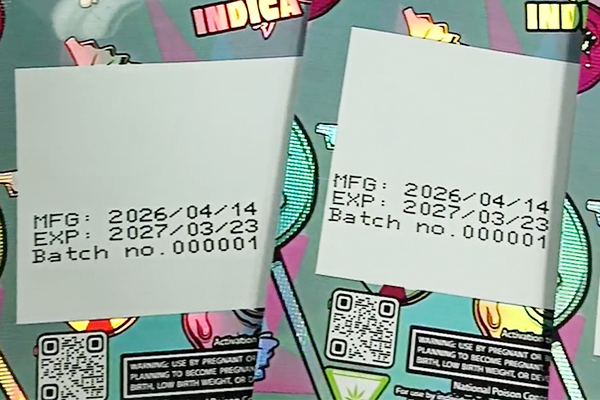
Flexible packaging has revolutionized the way we store and consume everything from snacks to life-saving pharmaceuticals. However, coding on this type of packaging is a big challenge for many manufacturer.
Selecting the right industrial inkjet printer isn't just a technical box to tick; it’s the difference between a crisp, traceable batch code and a smeared mess that leads to costly product recalls. This guide explores the nuances of coding on flexible substrates and helps you identify the perfect technology for your production line.
Printing on a moving film is significantly more complex than marking a stationary box. Unlike porous paper, materials like PE, PP, PET, and aluminum foil are "non-porous," meaning they don't naturally absorb ink.
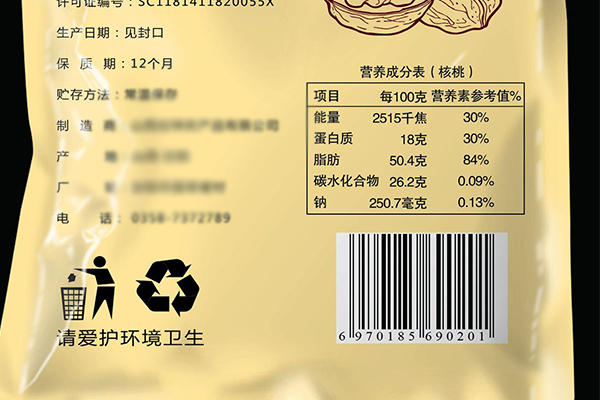
Manufacturers often face a laundry list of challenges:
To overcome these obstacles, choosing a technologyPIJ UV high speed inkjet technologygy) designed for the rigors of the modern factory is critical.
Industrial inkjet printers have become the gold standard for flexible films because they offer a “touchless” solution. Since the printhead never actually contacts the material, there is zero risk of puncturing delicate pouches or disruption the flow of the film.
These systems excel at real-time data—printing unique QR codes, expiration dates, and batch numbers on the fly without slowing down the motor. Whether you are dealing with a flat sheet or a slightly curved, moving surface, inkjet technology adapts where traditional stamping fails.
Tip: If you are weighing your printing system options, check our PIJ vs. TTO comparison guide to understand the mechanical differences in detail.
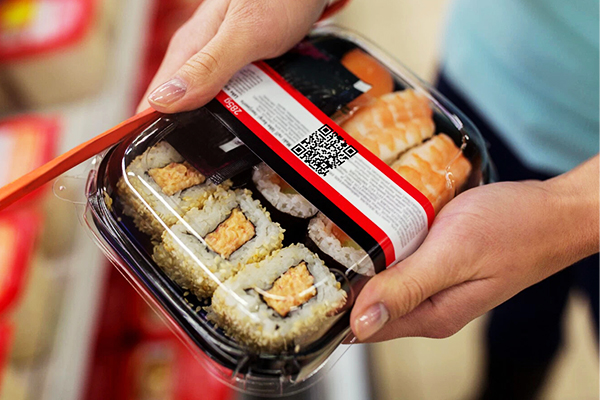
When purchasing for a high resolution inkjet printing solution, don’t just look at the prince. More than price, you are supposed to focus on these five pillars of performance:
PIJ technology is the "artist" of the industrial world. It uses vibration to eject ink droplets, resulting in incredibly sharp images (up to 600 DPI). It’s the premier choice for brands that need to print intricate QR codes or high-quality logos directly onto film for traceability and aesthetics.
If your production line is a blur of motion, CIJ is your best friend. It is built for raw speed and can print simple date codes on almost any surface imaginable. It’s reliable, cost-effective for high volumes, and handles harsh industrial environments with ease.
While not an inkjet, TTO is a common alternative for intermittent packaging machines. It uses a heated ribbon to transfer an image. While excellent for certain applications, it lacks the "non-contact" versatility of inkjet systems.
Industry | Typical Application | Recommended Tech |
Food | Snack bags, frozen pouches, bread packaging, etc. | Piezo inkjet / TTO |
Pharma | Medical sachets, IV bags | High-res PIJ |
Beverage | PET/PP bottles, can covers | Continuous inkjet |
Chemical | Bulk fertilizer or resin bags | DOD |
Choosing the right equipment boils down to a few core questions:
At the end of the day, a reliable coding setup should be invisible—it should do its job so well that you never have to think about it. We specialize in providing:
·
·
Ready to upgrade your line? Contact us today to get a customized coding solution for your flexible packaging production.
Navigating the world of flexible packaging doesn't have to be a headache. By matching your specific speed and resolution needs with the right inkjet technology, you ensure that your products remain compliant, traceable, and professional from the factory floor to the consumer's hand.