 +86 187 3810 5965
Struggling to achieve high-quality and stable coding or printing on high-speed production lines? Don’t worry, PIJ (Piezo Inkjet Pirnter) can help you solve this problem.
A piezo inkjet printer (PIJ) is an industrial coding device that uses piezoelectric crystals to eject ink with extreme precision, printing text, barcodes, and graphics onto packaging during production. In simple terms, it works like an intelligent, electrically controlled “micro-robotic arm” that accurately marks information on materials such as packaging, ceramics, glass, and electronic components.
“Piezo printing technology” may sound complicated, but the working principle of PIJ is actually very simple. The whole thing comes down to four steps:
Voltage in → Crystal bends → Pressure builds → Ink flies out
Doesn’t it look similar to how a jellyfish moves? It squeezes its body, water shoots out, and off it goes. A piezo printhead works exactly the same way — just replace "body" with a crystal, and "water" with ink.
The moment a voltage signal hits, the piezo crystal flexes inward, compresses the ink chamber, and a droplet fires onto the page. That's it. No heat, no complicated chemistry — just a squeeze.
👉 Learn more about how PIJ works
In over two decades of working with production lines across packaging, food & beverage, and industrial manufacturing, one question comes up more than almost any other: "We already have thermal inkjet. Why would we switch to piezo?" It's a fair question. The answer isn't always "you should" — it depends entirely on your substrate, ink requirements, and line speed. The comparison below is designed to help you make that call clearly, without the sales pitch.
Comparison | Piezo Inkjet Printer | Thermal Inkjet Printer |
Firing Mechanism | Crystal deformation √ No heat | Bubble generated by heat |
Ink Compatibility | Solvent, UV, Water-based, Pigment √ Broad range | Water-based (Must be heat-resistant) |
Printhead Lifespan | Long- No thermal stress √ Durable | Shorter - repeated heating degrades components |
Energy Use | Low √ Efficient | Higher - heating element runs continuously |
Substrate Range | Porous & Non-porous √ Versatile | Mainly smooth surfaces |
Industrial Suitability | High - widely adopted √ Industry standard | Limited - Primarily consumer use |
👉Learn which one fits your application: Piezo vs Thermal Inkjet: Which Is Right for Your Production?
After more than two decades supplying coding and marking systems to production environments across packaging, food & beverage, and industrial manufacturing, the advantages of piezo inkjet aren't just a spec sheet to us — they're the reasons customers come back, and the reasons lines run without interruption. Here's what actually makes a difference on the floor.
Piezo inkjet technology didn't become the backbone of industrial coding by accident. Dates, batch numbers, or QR codes—these simple, tiny markings appear in every aspect of people's daily lives, providing undeniable convenience. Like capillaries in the fabric of modern society, they flow silently, yet maintain the orderly operation of the entire system. Let's take a look at which inkjet printing applications in your industry are using these "small marks" to solve "big problems."
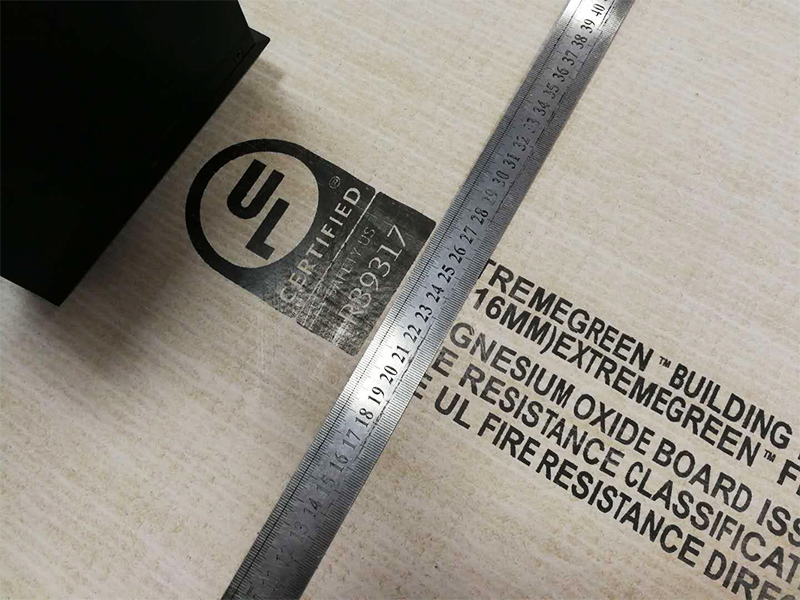
👉Explore corrugated box printing
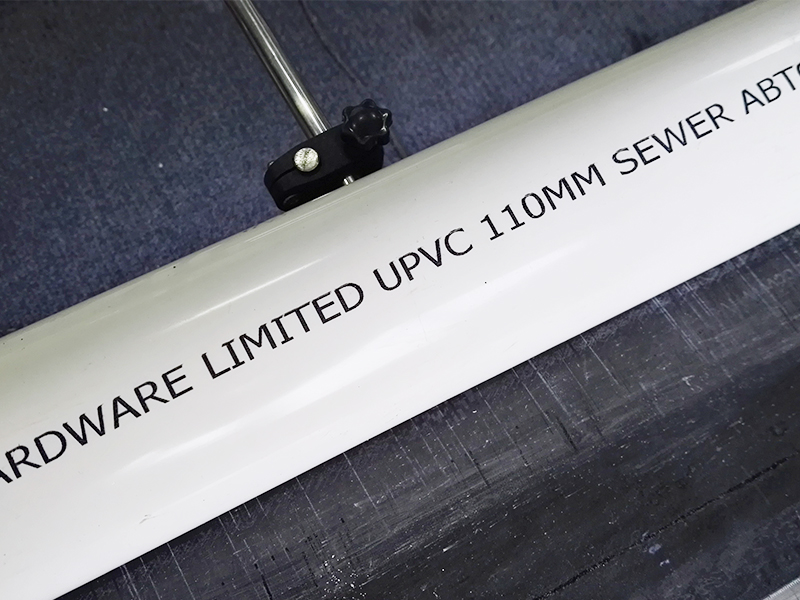
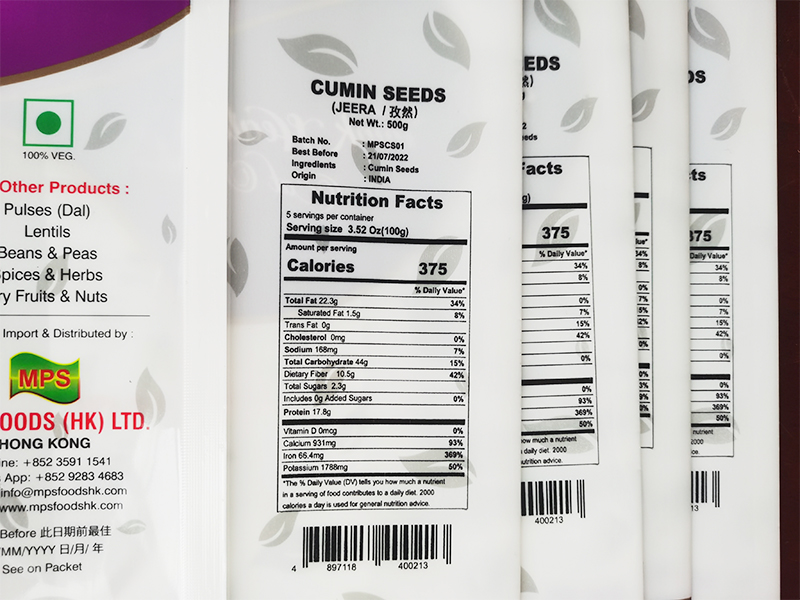
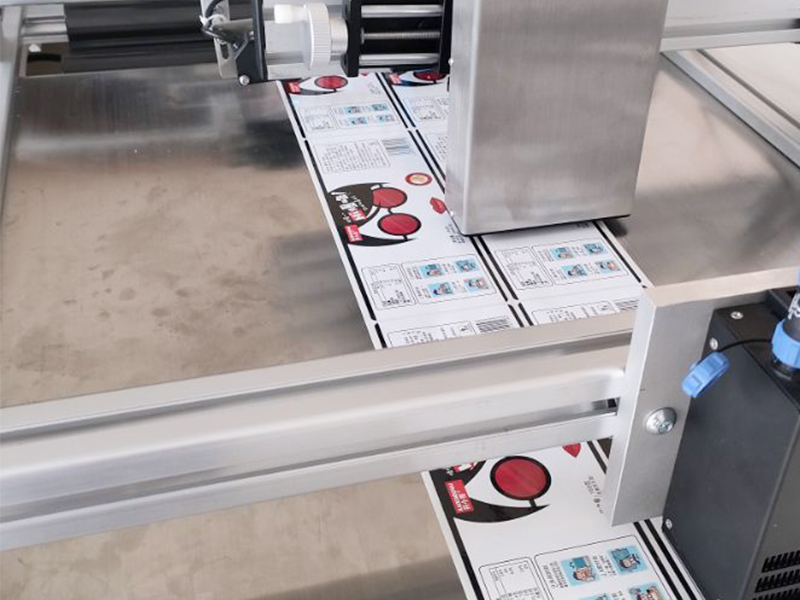
👉For a detailed comparison, see our guide on PIJ vs TTO for flexible packaging.
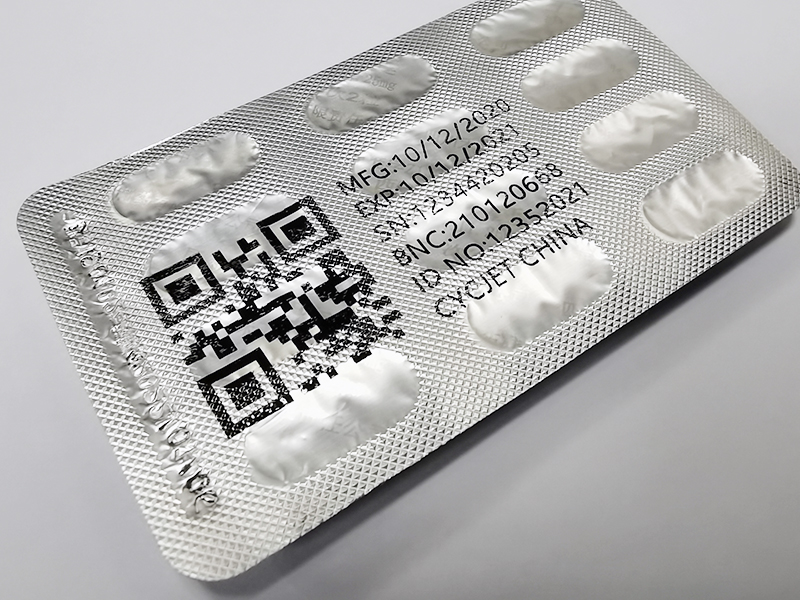
Direct marking on sterile packaging (Tyvek pouches, blister packs, vial labels)
👉 Explore Pharmaceutical coding
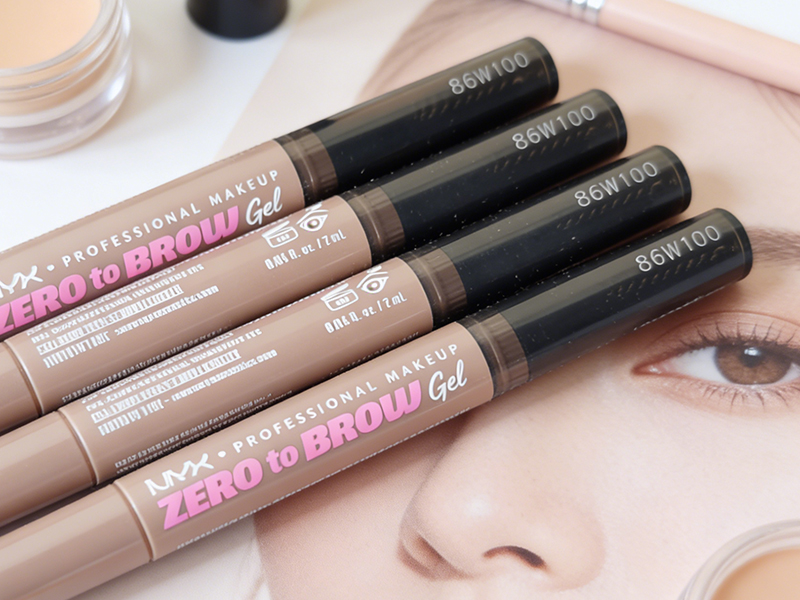
Choosing the right piezo inkjet system comes down to asking the right questions before you purchase.
Here we prepare a checklist for you to evaluate systems for your production environment.
□Resolution:Higher resolution results(≥600DPI) in smoother image edges, but also higher technical costs.
□Print Height: What you need to consider is whether a single header can completely cover the largest label or representation area.
□Production Line speed compatibility: Is the highest coding speed enough to meet the needs of your factory production line?
□Communication protocols: Compatible with your PLC/ERP? (Ethernet, Modbus, RS-232, OPC-UA)
□Data sources: Can you pull variable data from your database without manual entry?
□Daily maintenance time: Automated cleaning or manual purge required?
□Remote diagnostics: Can support accessing the system without a site visit?
□Ink type: Aqueous, UV, or solvent — verified for adhesion, dry time, and durability?
Piezo printing technology has become the mainstream of modern industrial coding because it can solve practical problems—achieving high-resolution, durable marking on difficult-to-process substrates.
We've spent 20 years helping manufacturers spec, integrate, and optimize Piezo inkjet systems. We've witnessed the significant advantages of high-resolution PIJ marking equipment—long printhead lifespan, low energy consumption, wide compatibility, and precise inkjet control—making it the first choice for industrial producers and manufacturers.
We don't offer generic quotes. We ask about your substrate, your line speed, your current pain points, and what you actually need the system to do. Then we recommend what fits—not what's on promotion this quarter.
Get in Touch: Contact our technical team—we'll respond within one business day with real answers, not a sales pitch.